
Work Management System
Organizing field maintenance operations across multiple facilities — Dank

INITIAL STATE
Dank is a specialized lighting maintenance company serving retail centers and commercial facilities — shopping malls, retail parks, large commercial buildings. The nature of the work is operationally complex: multiple locations, multiple technicians, mix of scheduled preventive maintenance and emergency repairs, clients who need visibility into what's happening across their properties.
The existing process relied on scattered communication channels and manual tracking. Coordinators had no unified view of active work. Technicians in the field received tasks through calls and messages, logged completion the same way. Clients had no transparency into service status unless they called to ask. The system worked until it didn't — and in facilities where lighting failures in high-traffic areas create safety and compliance issues, "until it didn't" wasn't acceptable.
The Ask
Design a comprehensive work management system that gives coordinators real-time visibility across all active jobs, gives technicians a mobile tool that works in real maintenance environments, and gives facility managers and clients transparent access to service status — all from a single platform.




SOLUTION
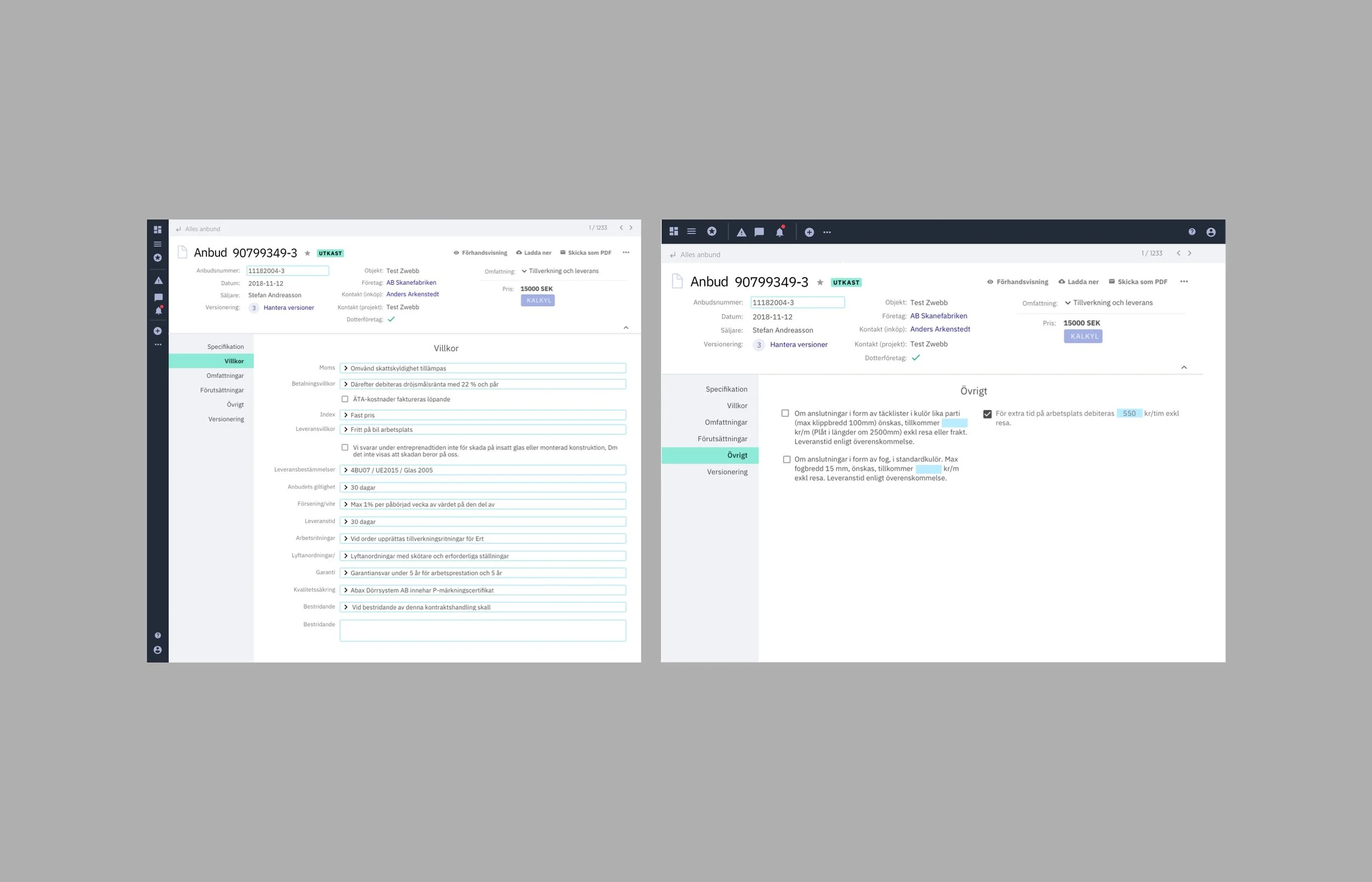
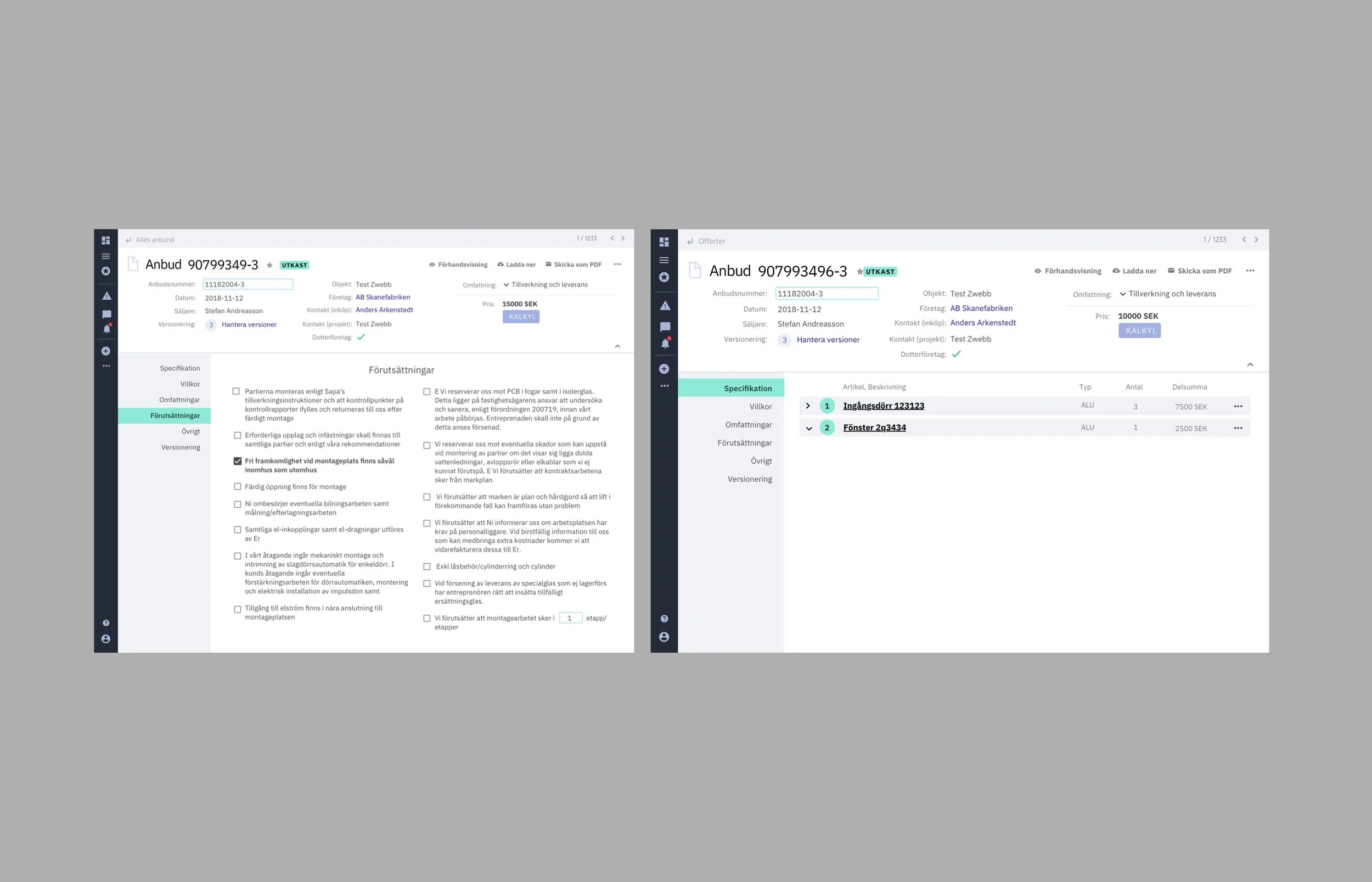
The coordinator view was built around task prioritization rather than task listing. Visual priority indicators surface urgent lighting failures — those affecting customer safety or regulatory compliance — before they become incidents. Route optimization groups tasks by location, reducing travel time and allowing technicians to handle multiple jobs per site visit efficiently.
The technician interface required a different set of constraints entirely. Maintenance work happens on ladders, in catwalks, in basement utility areas — environments with intermittent connectivity, poor lighting, and gloved hands. The mobile interface was designed for those conditions: large touch targets, minimal required input per status update, photo capture for completed work, and offline capability that syncs automatically when connection is restored. Technicians can access task details and log updates without being dependent on building network infrastructure.
The client-facing dashboard transformed the relationship from reactive to proactive. Facility managers gained visibility into scheduled preventive maintenance, real-time status on reported issues, and historical data showing maintenance patterns across their properties. For clients managing multiple sites, this meant moving from "call to find out" to "log in and know."
IMPACT
The platform turned a fragmented operational process into a managed system. Coordinators gained a single source of truth for all active work. Technicians spent less time on administrative overhead and more time on actual maintenance. Clients moved from reactive service calls to proactive facility management — a shift that strengthened the client relationship beyond individual service transactions.